
INDUCE
DSS & AOM
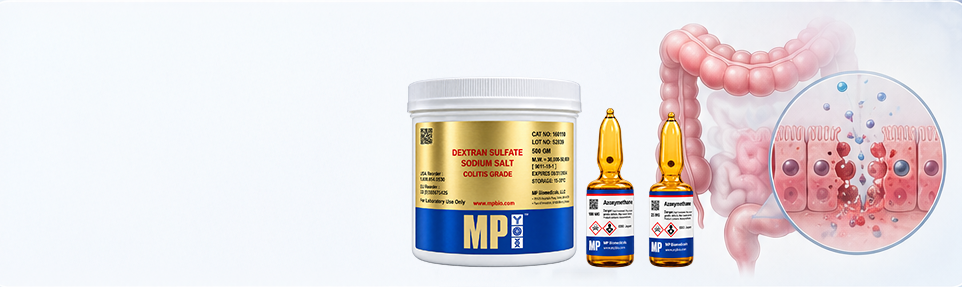
Explore reagents used in experimental colitis and colitis-associated cancer models.
DSS-induced colitis is widely used to investigate intestinal inflammation, epithelial barrier dysfunction, and features of ulcerative colitis.
Inflammatory Bowel Disease (IBD), including ulcerative colitis and Crohn's disease, involves chronic inflammation of the gastrointestinal tract. Experimental models help researchers investigate disease mechanisms, evaluate potential interventions, and explore host–microbiome interactions.
The DSS-induced colitis model is widely used to study intestinal inflammation and features of ulcerative colitis.
Dextran Sulfate Sodium (DSS) is commonly administered through drinking water to induce intestinal inflammation in experimental rodents.
DSS disrupts the intestinal epithelial barrier and contributes to inflammatory responses in the colon.
DSS Administration > Epithelial Injury > Barrier Disruption > Inflammatory Response > Colitis Development
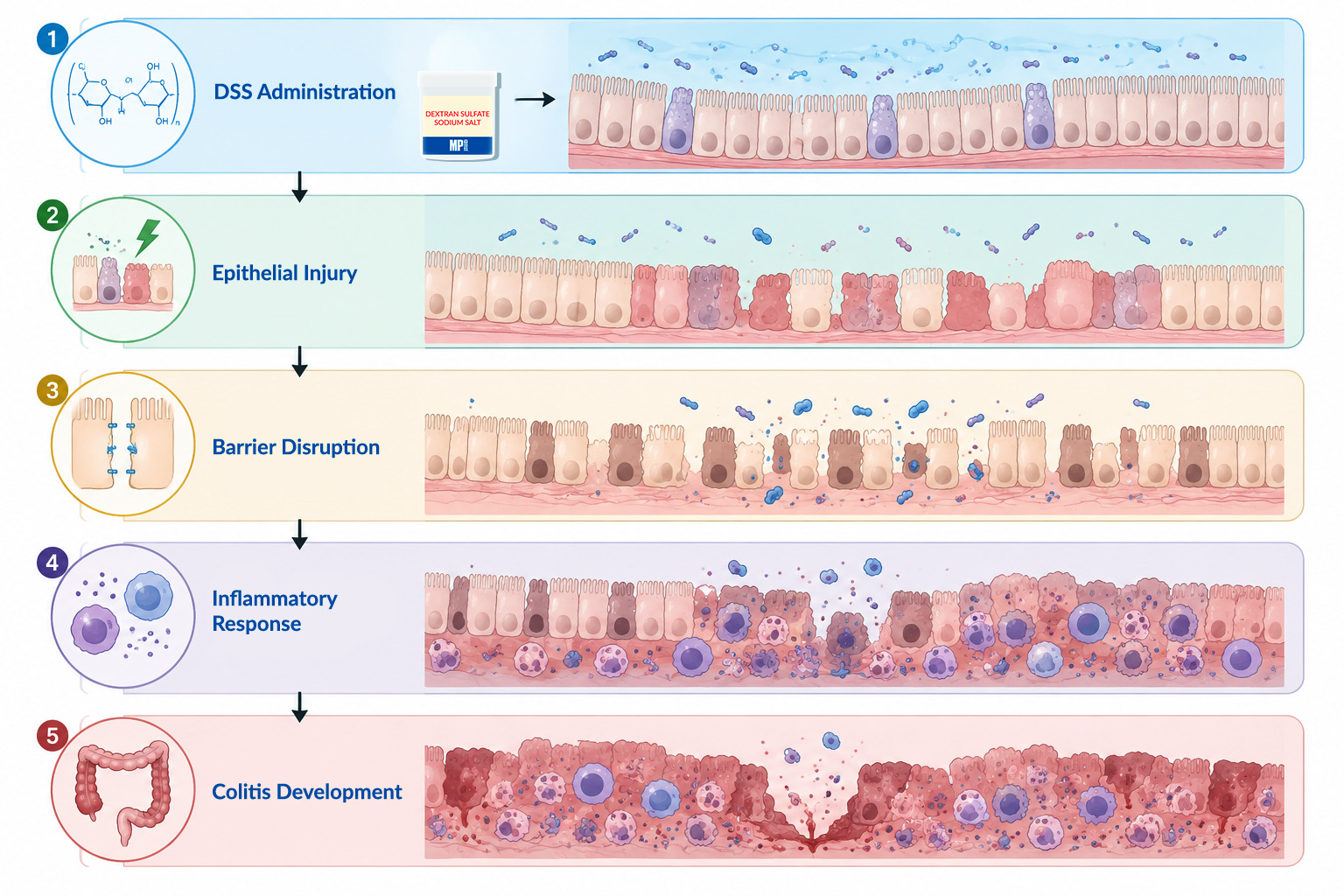
The protocol for generating a DSS-induced colitis model is simple to implement – simply dissolve the DSS powder in autoclaved drinking water to create a solution of the correct dose. The duration of the treatment will depend on the strain of rodent as well as how you choose to define your model based on your research aims.
| Animal/Strain | Dose | Days | Publication |
|---|---|---|---|
| C57BL/6 | 2.5% | 8 | Jia, Q.; Ivanov, I.; Zlatev, Z.; et al. Dietary fish oil and curcumin combine to modulate colonic cytokinetics and gene expression in dextran sodium sulphate-treated mice. Br.J.Nutr. 2011, 106(4), 519-9. |
| Wild-type C57BL/6J(m) | 3% | 6 | Thiess, A.L.; Laroui, H.; Obertone, T.S.; et al. Nanoparticle-based therapeutic delivery of prohibitin to the colonic epithelial cells ameliorates acute murine colitis. Inflamm. Bowel Dis. 2011, 17(5), 1163-76. |
| C57BL/6 AhR null, WT | 3% | 7 | Arsenescu, R.; Arsenescu, V.; Zhong, J.; et al. Role of xenobiotic receptor in inflammatory bowel disease. Inflamm. Bowel Dis. 2011, 17(5), 1149-2. |
| C57BL/6 | 5% | 3-14 | Nagalingham, N.A.; Kao, J.Y.; Young, V.B. Microbial ecology of the murine gut associated with the development of dextran sodium sulfate-induced colitis. Inflamm, Bowel Disease. 2011, 7(4), 917-26. |
| C57BL/6 | 1.5% | 7 | Ramakers, J.; Verstege, M.I.; Thuijls, G.; et al. The PPARγ agonist rosiglitazone impairs colonic inflammation in mice with experimental colitis. J.Clin.Immunol. 2007, 27(3), 275-283. |
| BALB/c | 1% | 10 | Palffy, R.; Gardlik, R.; Behuliak, M.; et al. Salmonella-mediated gene therapy in experimental colitis in mice. Ex.Biol.Med. 2011, 236(2), 177-83. |
| C57BL/6J | 3% | 5 | Shiomi, Y.; Nishiumi, S.; Ooi, M.; et al. GCMS-based metabolomic study in mice with colitis induced by dextran sulfate sodium. Inflamm. Bowel Dis. 2011, 17(11), 2261-74. |
| BALB/c | 1-5% | 10 | Rochat, T.; Bermudez-Humaran, L.; Gratadoux, J-J.; et al. Anti-inflammatory effects of Lactobacillus casei BL23 producing or not a manganese-dependent catalase on DSSinduced colitis in mice. Microb. CellFact. 2007, 20(6), 22. |
| BALB/c; NMRI/KI | 2.5-5% | n/a | Bylund-Fellenius, A-C.; Landström, E.; Axelsson, L.G.; et al. Experimental colitis induced by dextran sulphate in normal and germfree mice. Microbial Ecology in Health and Disease. 1994, 7, 207-215. |
| IL-5-/- and +/+ | 2.9%, 5% | 9 | Stevceva, L.; Pavli, P.; Husband, A.; et al. Eosinophilia is attenuated in experimental colitis induced in IL-5 deficient mice. Genes Immun. 2000, 1(3), 213-8 |
| BALB/c; athymic nu/nu CD-1 (BR) | 2.5-5% | 7-35 | Axelsson, L.G.; Landström, E.; Bylund-Fellenius, A.C. Experimental colitis induced by dextran sulphate sodium in mice: Beneficial effects of sulphasalazine and olsalazine. Aliment. Pharmacol.Ther. 1998, 12(9), 925-34. |
| WT; CCR9(-/-); CCL25 (-/-) | 2% | 7 | Wurbel, M.A.; McIntyre, M.G.; Dwyer, P.; et al. CCL25/CCR9 interactions regulate large intestinal inflammation in a murine model of acute colitis. PLoS One. 2011, 6(1), e16442. |
| Wild-type; DPIV -/- | 2% | 6 | Wurbel, M.A.; McIntyre, M.G.; Dwyer, P.; et al. CCL25/CCR9 interactions regulate large intestinal inflammation in a murine model of acute colitis. PLoS One. 2011, 6(1), e16442. |
| Wild-type; DPIV -/- | 2% | 6 | Yazbeck, R.; Howard, G.S.; Butler, R.N.; et al. Biochemical and histological changes in the small intestine of mice with dextran sulfate sodium induced colitis. J.Cell Physiol. 2011, 226(12), 319-24. |
| BALB/c | 5% | 7 | Kumar, G.K.; Dhamotharan, R.; Kulkarni, N.M. Embelin ameliorates dextran sodium sulfate-induced colitis in mice. Int. Immunopharmacol. 2011, E |
| Animal/Strain | Dose | Days | Publication |
|---|---|---|---|
| Wistar | 2% | 2 weeks to 6 months | Tamaru, T.; Kobayashi, H.; Kishimoto, S.; et al. Histochemical study of colonic cancer in experimental colitis of rats. Dig. Dis. Sci. 1993, 38, 529-537. |
| Sprague-Dawley | 5% | 9 | Schreiber, O.; Petersson, J.; Phillipson, M.; et al. Lactobacillus reuteri prevents colitis by reducing P-selectin associated leukocyte- and platelet-endothelial cell interactions. Am.J.Physiol.Gastrointest.Liver. 2009, 296, G534-542. Dicksved, J.; Schreiber, O.; Willing, B.; et al. Lactobacillus reuteri maintains a functional mucosal barrier during DSS treatment despite mucus layer dysfunction. PLoS One. 2012, 7(9), e46399. Petersson, J.; Schreiber, O.; Steege, A.; et al. eNOS involved in colitis-induced mucosal blood flow increase. Am.J.Physiol.Gastrointest.Liver. 2007, 293, G1281-1287. |
| Sprague-Dawley | 5% | 6 | Vasina, V.; Broccoli, M.; Ursino, M.G.; et al. Non-peptidyl low molecular weight radical scavenger IAC attenuates DSS-induced colitis in rats. World J.Gastroenterol. 2010, 16(29), 3642-50. |
| Sprague-Dawley | 5% | 7 | Shi, X.Z.; Winston, J.H.; Sarna, S.K. Differential immune and genetic responses in rat models of Crohn’s colitis and ulcerative colitis. Am.J.Physiol.Gastrointest.Liver Physiol. 2011, 300(1), G41-51. |
| Wistar | 2.5% | 7 | Aoi, Y.; Terashima, S.; Ogura M.; et al. Roles of nitric oxide (NO) and NO synthases in healing of dextran sulfate sodium-induced rat colitis. J Physio Pharmacol. 2008, 59(2), 315-36. |
| Wistar | 5% | 10 | Lopez-Posadeas, R.; Requena, P.; Gonzalez, R.; et al. Bovine glycomacropeptide has intestinal antiinflammatory effects in rats with dextran-sulfate induced colitis. J.Nutr. 2010, 140(11), 2014-2019. |
| Wistar | 2-4% | 7 | Shimizu, T.; Suzuki, M.; Fujimura, J.; et al. The relationship between the concentration of dextran sodium sulfate and the degree of induced experimental colitis in weanling rats. J.Pediatric Gastro. Nutrition. 2003, 37, 481-486. |
| ACI | 5% | 14 | Hirono, I.; Kuhara, K.; Hosaka, S.; et al. Induction of intestinal tumors in rats by dextran sulfate sodium. J.Natl.Cancer Inst. 1981, 66(3), 579-583. |
| Animal/Strain | Dose | Days | Publication |
|---|---|---|---|
| Hamster | 2.5% | 6 | Karlsson, A.; Jägervall, A.; Pettersson, M.; et al. Dextran sulphate sodium induces acute colitis and alters hepatic function in hamsters. Int. Immunopharmacol. 2008, 8(1), 20-27 |
| Hamster | 1% | N/A | Yamada, M.; Ohkusa, T.; Ohkusa, I. Occurence of dysplasia and adenocarcinoma after experimental chronic ulcerative colitis in hamsters induced by dextran sulphate sodium. Gut. 1992, 33, 1521-1527 |
| Guinea Pig | 3% | 4 | Iwanaga, T.; Hoshi, O.; Han, H.; et al. Morphological analysis of acute ulcerative colitis experimentally induced by dextran sulfate sodium in the guinea pig: Some possible mechanisms of cecal ulceration. J. Gastroenterol. 1994, 29(4), 430-438. |
| Pig (Yorkshire) | 1.25 g/kg BW | 5 | Young, D.; Ibuki, M.; Nakamori, T.; et al. Soy-derived di-and tripeptides alleviate colon and ileum inflammation in pigs with dextran sodium sulfate-induced colitis. J.Nutr. 2012, 142(2), 363-8. |
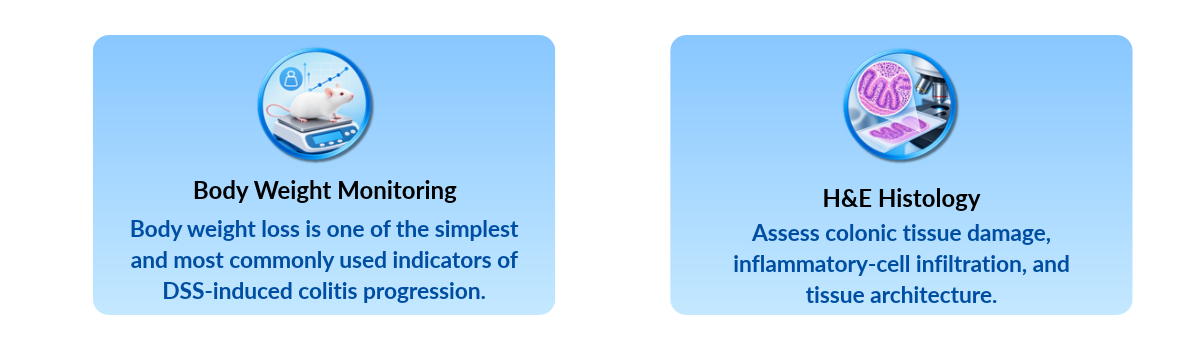
Combining Azoxymethane (AOM) with DSS supports research into inflammation-associated colorectal tumour development.
From Model Induction to Molecular Analysis
Explore reagents used in experimental colitis and colitis-associated cancer models.
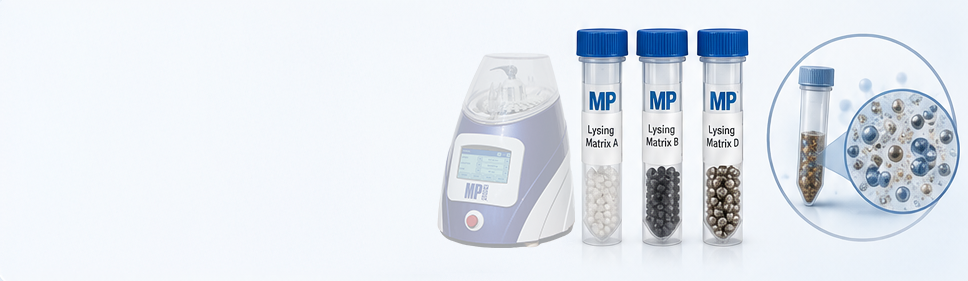
Support mechanical disruption and homogenization of samples.
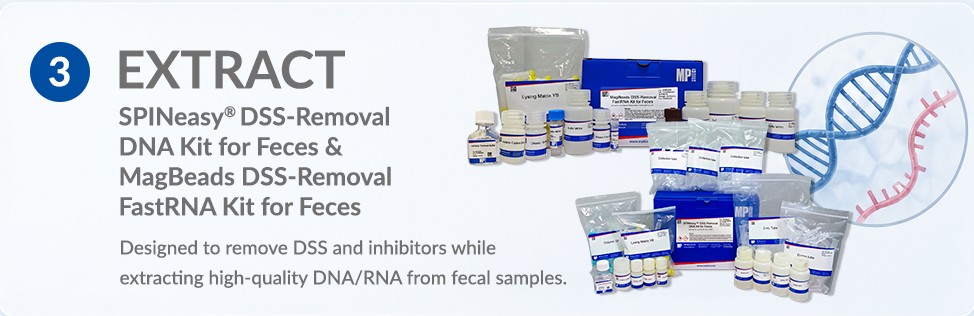
Designed to remove DSS and inhibitors while extracting high-quality DNA/RNA from fecal samples.

PCR • qPCR • DNA Sequencing • NGS • Microbiome Analysis • Biomarker Research
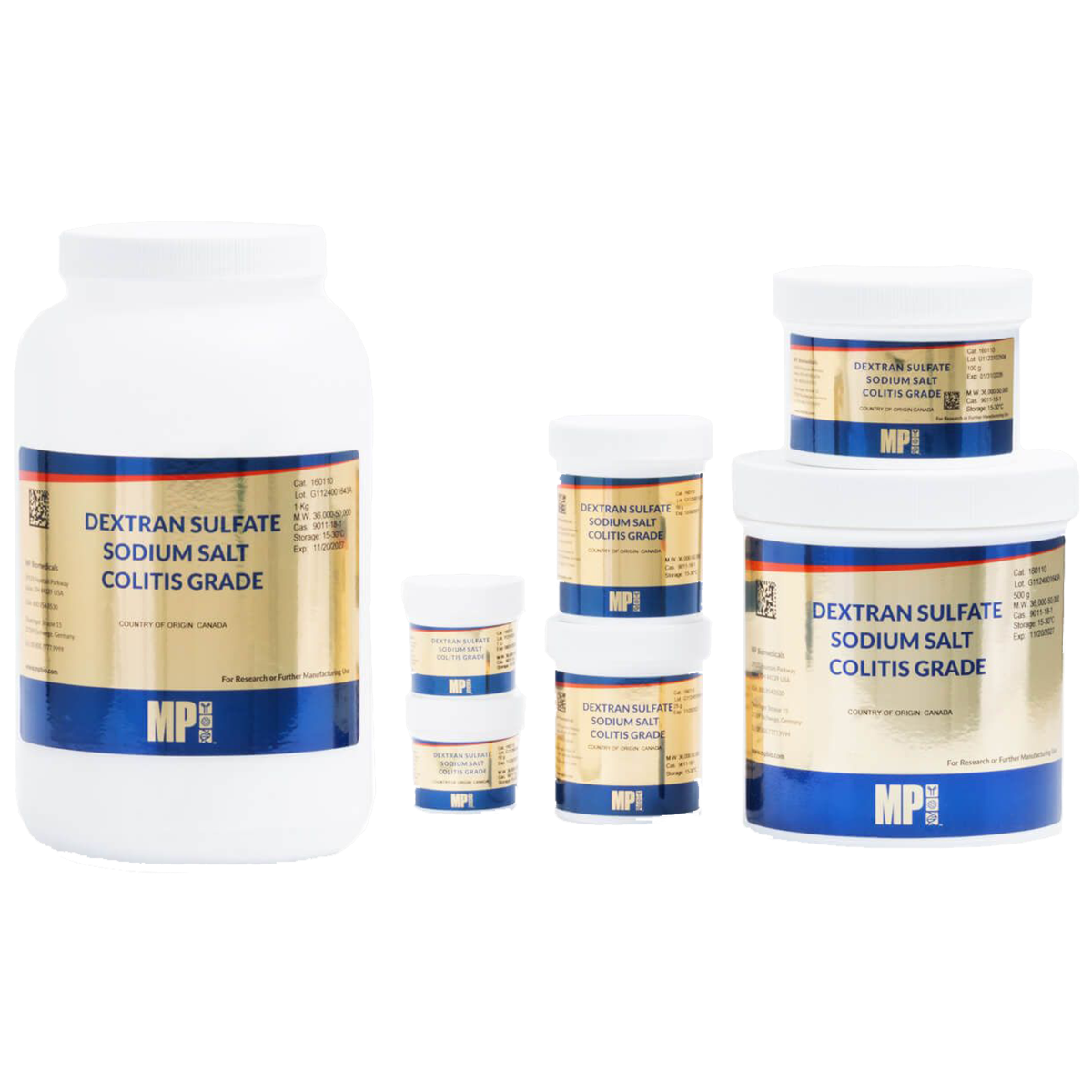
Gold standard reagent for induction of experimental colitis models.
View Product >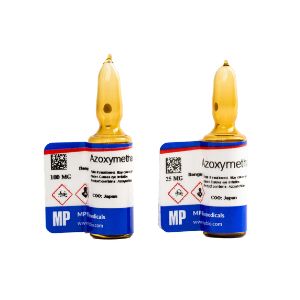
A carcinogenic reagent used in experimental colorectal tumour research, including AOM/DSS models.
View Product >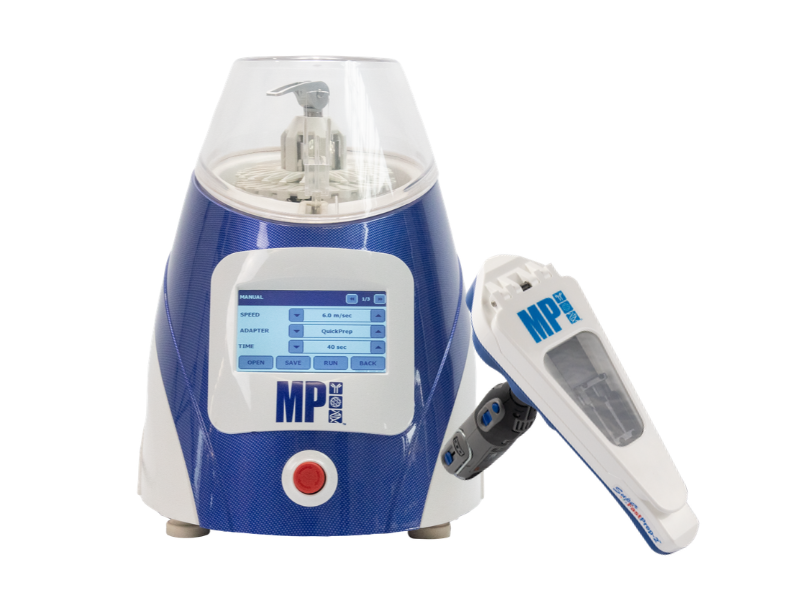
Rapid, reproducible homogenization of challenging biological samples.
View Product >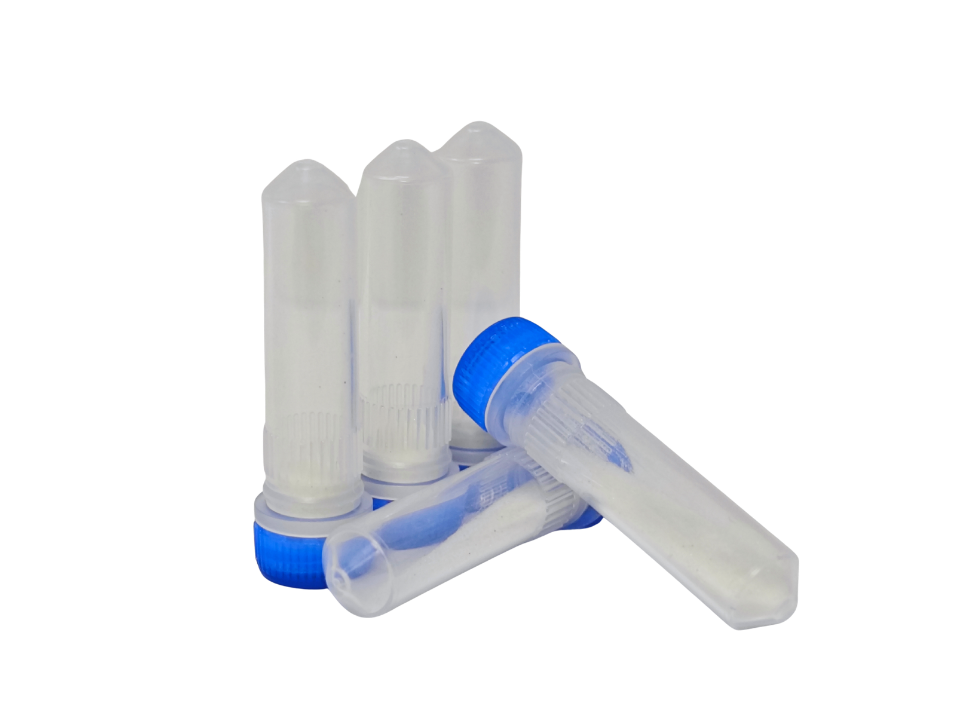
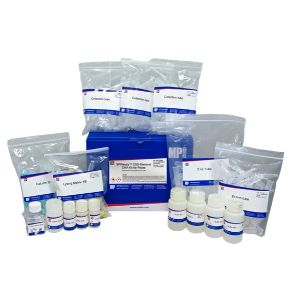
Designed to remove DSS and inhibitors while extracting high-quality DNA from fecal samples.
View Product >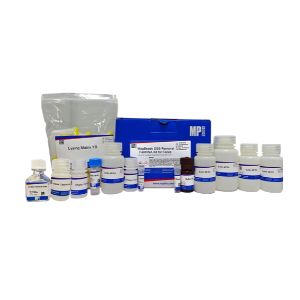
Automated magnetic-bead RNA extraction from DSS-contaminated fecal samples.
View Product >Best practices include:
Need more help? Connect with our Technical Support team.


A comprehensive guide on how we support cancer research
View >
